
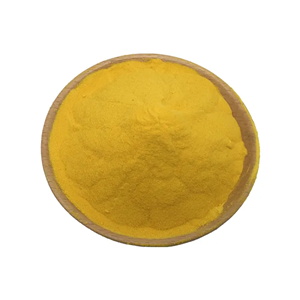
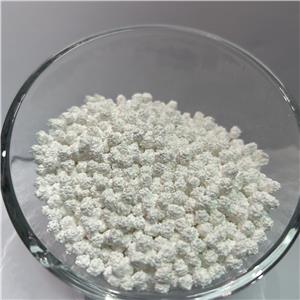
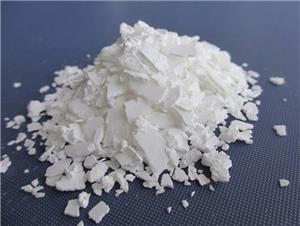
Crystal Magnesium Sulfate: A Key Fertilizer for Large Farms to Improve Quality and Increase Yield, with Scientific Application Methods
Many farmers have encountered such problems: field crops have premature yellowing and withering leaves, fruit trees have low fruit setting rates and small fruits, and protected vegetables have low commodity rates - these problems are often closely related to magnesium deficiency in the soil. Crystal magnesium sulfate, as an efficient source of magnesium fertilizer in agricultural production, has become an ideal choice for large farms to supplement magnesium and improve planting benefits due to its high purity, easy solubility and adaptability to large-scale application, suitable for various field crops and cash crop planting scenarios.
Crystal magnesium sulfate has highly targeted application scenarios in large farms, suitable for the growth needs of different crops. For field food crops such as corn, rice and wheat, magnesium is the core carrier of photosynthesis and nutrient conversion. Magnesium deficiency will lead to reduced photosynthetic efficiency and insufficient grain filling. Regular application can make the plant stems thick, enhance lodging resistance, and increase the 1000-grain weight by 5%-8%. For fruit trees such as citrus, apples and grapes, the demand for magnesium surges during the flowering and fruit expansion periods. Magnesium deficiency can easily cause old leaf yellowing, flower and fruit drop. Application can promote flower bud differentiation, improve fruit setting rate, increase fruit sugar and vitamin content, and improve taste and storage resistance. In the cultivation of protected vegetables such as tomatoes, cucumbers and peppers, magnesium deficiency will lead to leaf chlorosis and reduced fruit yield. Reasonable application can extend the harvest period, improve fruit luster and commodity rate, while enhancing the plant's stress resistance and reducing the occurrence of diseases and pests.
Large-scale planting in large farms requires mastering scientific operating standards to maximize the effectiveness of crystal magnesium sulfate. First, the dosage and dilution ratio should be adjusted based on soil fertility test results. The conventional dosage is 2-3 kg per mu for field crops and 3-5 kg per mu for fruit trees. Crystal magnesium sulfate can be diluted with water at a ratio of 1:300-1:500 (concentration 0.2%-0.3%). The application method is suitable for farm machinery operation. Foliar spraying can use large-scale plant protection UAVs or traction sprayers. It should be carried out on cloudy days or evenings to ensure uniform adhesion on both sides of the leaves, focusing on spraying the middle and lower old leaves. Drip irrigation or flood irrigation is more suitable for large-scale management. The diluted solution is evenly delivered to the root area through the irrigation system to reduce nutrient loss. When used as base fertilizer, it can be mixed with nitrogen, phosphorus and potassium compound fertilizers in proportion, then applied by mechanical broadcasting and ploughed into the soil. The application interval should be based on the crop growth period, with one application each at the seedling stage, flowering stage and fruit expansion stage, with an interval of 15-20 days.
The following points should be noted for farm application: Crystal magnesium sulfate cannot replace nitrogen, phosphorus and potassium main fertilizers, and must be used in conjunction with soil testing and formulated fertilization plans to avoid nutrient imbalance caused by single fertilization; it is forbidden to mix with alkaline fertilizers (such as quicklime, ammonium bicarbonate) to prevent reducing fertilizer efficiency; clean the plant protection machinery in time after application to avoid residual crystals clogging the equipment; store in a moisture-proof warehouse and use sealed packaging to prevent moisture absorption and caking, ensuring fertilizer stability.
Although crystal magnesium sulfate seems ordinary, it is an invisible boost for large farms to improve quality and increase yield. Following scientific application methods can not only solve the problem of soil magnesium deficiency, but also adapt to the needs of large-scale planting, helping farms achieve the planting goals of high grain yield and high-quality fruits and vegetables.