Global Magnesium Sulphate Market Outlook: Industry Confidence Remains Strong Amid Changing Agricultural Demand
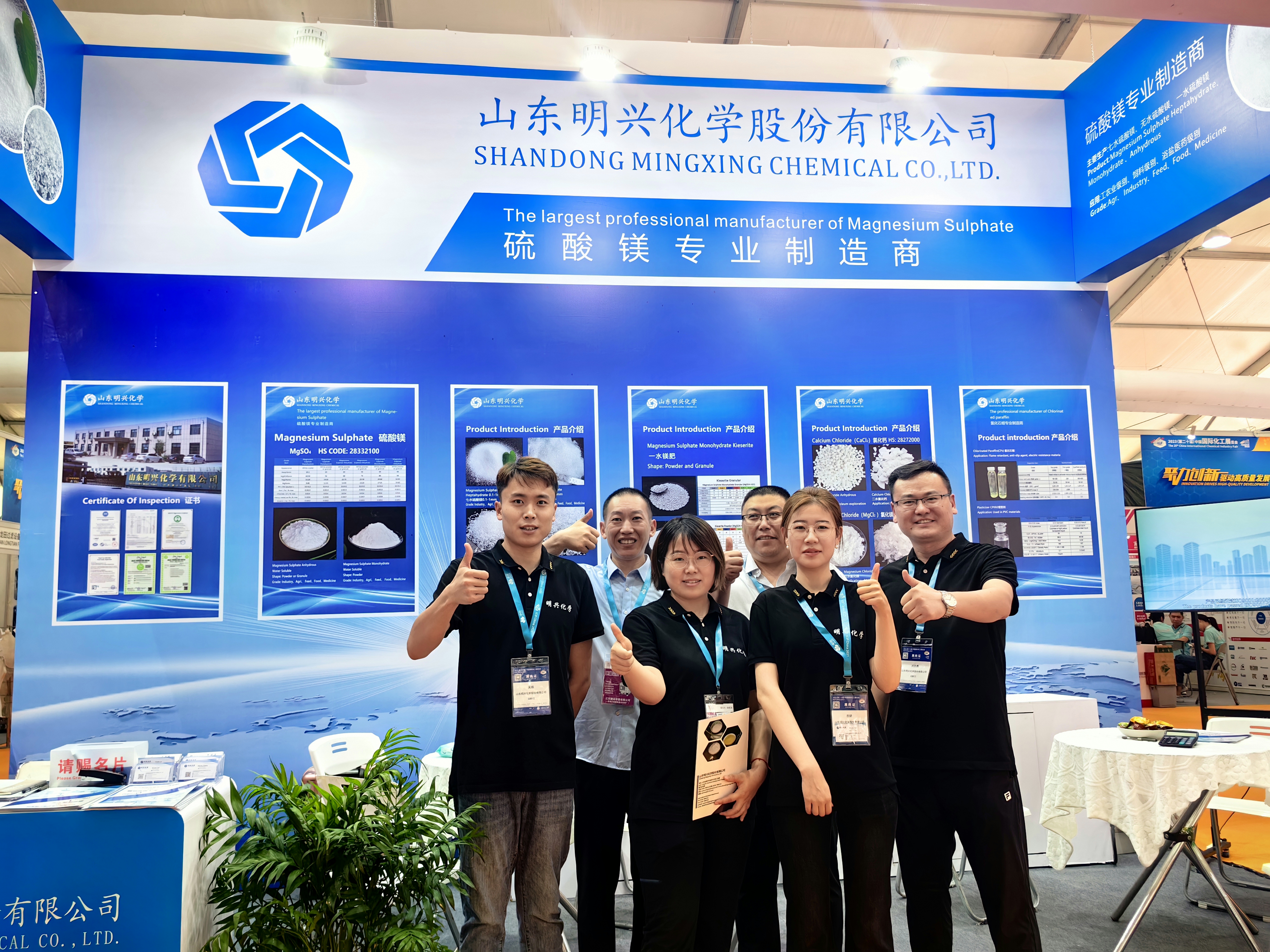
Trade exhibitions have always served as a window into the health of an industry. In the photo above, industry professionals gather around product samples, exchanging ideas, discussing applications, and evaluating market opportunities. While it may appear to be a simple product demonstration, scenes like this reflect a broader trend shaping the global magnesium sulphate market in 2026.
Across the agricultural sector, demand for magnesium sulphate continues to rise as growers focus on improving crop quality, maximizing yields, and addressing nutrient deficiencies. Magnesium plays a critical role in chlorophyll formation and photosynthesis, while sulfur supports protein synthesis and overall plant development. As modern farming becomes increasingly science-driven, balanced nutrient management is no longer optional—it is essential.
At the same time, global agriculture is facing significant challenges. Climate uncertainty, rising fertilizer costs, and pressure to improve sustainability have encouraged farmers to seek more efficient nutrient solutions. Magnesium sulphate has emerged as a valuable product because of its high solubility, rapid nutrient availability, and compatibility with fertigation and precision agriculture systems.
Industry discussions at international exhibitions increasingly focus on market adaptability rather than simple production capacity. Buyers are looking beyond price and paying greater attention to supply reliability, product consistency, technical support, and long-term partnerships. As global supply chains continue to evolve, importers and distributors prefer suppliers capable of maintaining stable quality and timely deliveries.
Emerging markets in Southeast Asia, South America, and Africa are creating new opportunities for magnesium sulphate suppliers. Countries such as the Philippines, Vietnam, Indonesia, Brazil, and Kenya are expanding agricultural production to meet growing food demand. This development is driving increased consumption of specialty fertilizers, particularly products that can improve nutrient efficiency and support high-value crops.
Meanwhile, mature markets in Europe and North America continue to prioritize sustainability and environmental responsibility. Fertilizer buyers are increasingly interested in production processes, traceability, and compliance with international quality standards. Manufacturers who invest in cleaner production technologies and quality management systems are likely to gain a stronger competitive advantage in the coming years.
The conversations taking place around exhibition booths today reveal a common theme: the future of the fertilizer industry will be built on innovation, efficiency, and collaboration. Whether discussing product performance, market trends, or supply chain strategies, industry professionals recognize that global agriculture is entering a new phase where quality and reliability matter more than ever.
For magnesium sulphate producers and exporters, this presents both opportunities and responsibilities. Companies must continue improving product quality, strengthening customer relationships, and adapting to changing market requirements. Those capable of delivering consistent value will be well positioned to support the next generation of agricultural growth.
As global demand for sustainable crop nutrition continues to expand, magnesium sulphate remains an important component of modern farming systems. The strong engagement and technical discussions seen at international exhibitions are clear indicators that confidence in the market remains high, and the industry is preparing for continued growth in the years ahead.