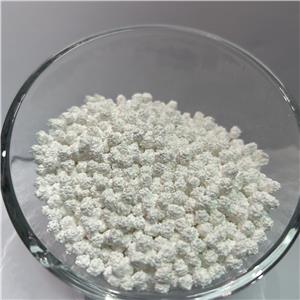
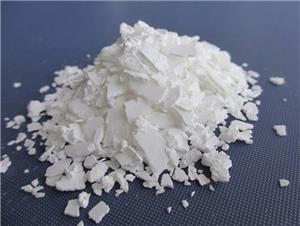
Magnesium Sulfate: A Versatile Compound Powering Agriculture, Medicine, and Industry
Magnesium sulfate (MgSO₄), a simple inorganic salt, has evolved far beyond its traditional uses to become an indispensable functional compound across a remarkable spectrum of global industries, with its applications spanning from life-saving medical interventions to yield-enhancing agricultural inputs and specialized industrial processes. The global magnesium sulfate market was valued at approximately USD 1.09 billion in 2025 and is projected to reach USD 1.76 billion by 2034, growing at a steady compound annual growth rate of 5.50%, driven by dual-engine demand from yield optimization in global agriculture and the rapid expansion of high-purity pharmaceutical and personal care manufacturing. In the pharmaceutical and medical sector, magnesium sulfate serves multiple critical functions depending on its route of administration, with intravenous use making it the first-line treatment for preventing and controlling seizures in pre-eclampsia and eclampsia, a life-saving protocol endorsed by the World Health Organization. Clinical research has demonstrated that combination therapy with magnesium sulfate achieves a 97.78% success rate in preventing preterm labor, significantly reducing neonatal asphyxia rates to just 2.22% compared to 17.02% with standard treatment, and lowering perinatal mortality from 6.38% to zero in study cohorts. Beyond obstetrics, a meta-analysis of 16 randomized controlled trials involving over 2,600 patients confirmed that intravenous magnesium sulfate significantly improves total response rates and lung function parameters including peak expiratory flow, FEV1, and forced vital capacity in adult patients with acute severe asthma, without increasing adverse reactions.
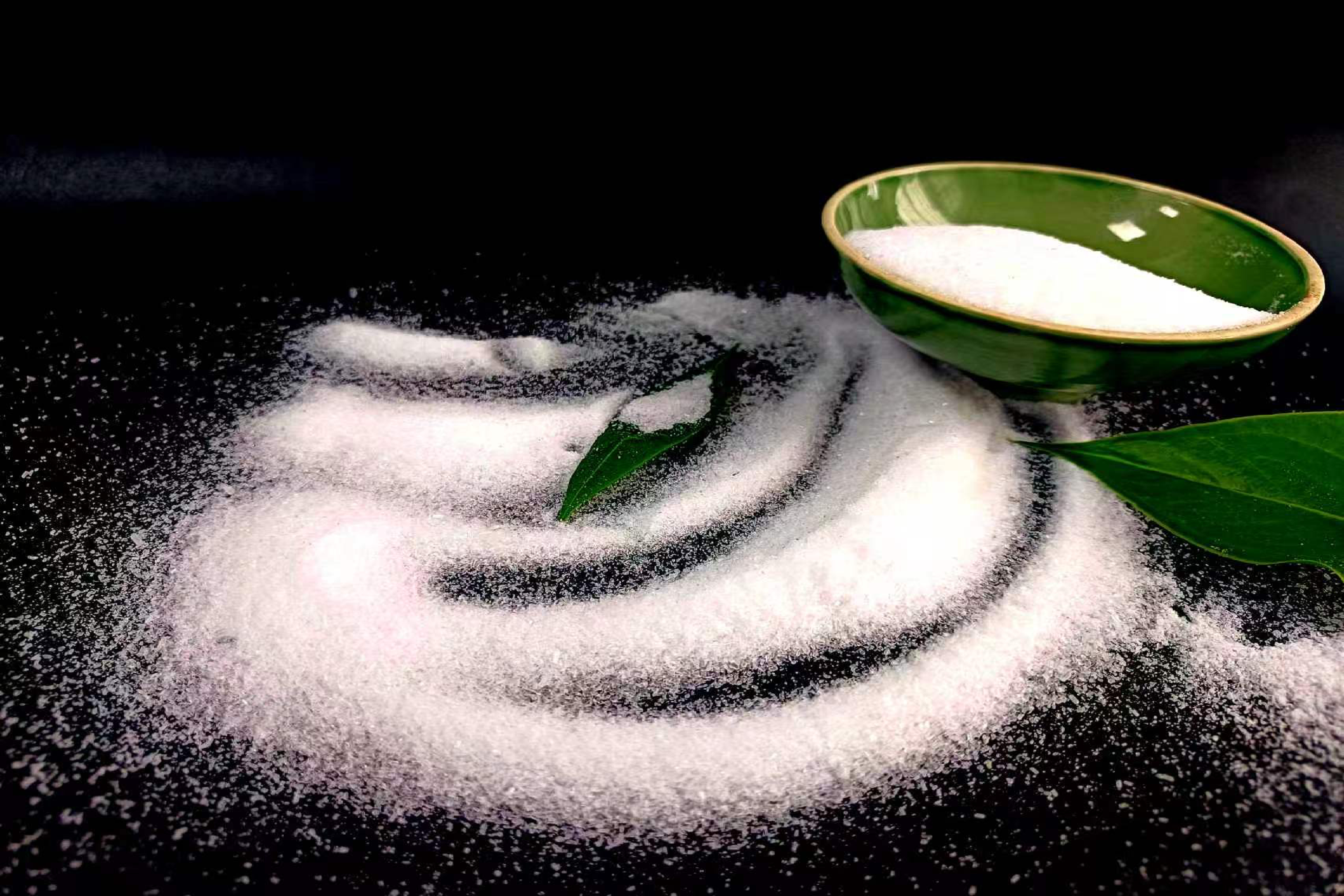
The agricultural sector represents the largest volume consumer of magnesium sulfate, where it functions as an essential secondary macronutrient fertilizer that provides both magnesium and sulfur—two elements frequently deficient in intensively farmed soils worldwide. The fertilizer application segment currently holds the largest market share, supported by rising agricultural production demands and global soil health initiatives. Field trials across 56 locations in China's winter rapeseed-producing regions demonstrated that magnesium sulfate application increased seed yields by an average of 14.1%, primarily through enhancing pod number per plant and seed count per pod, while simultaneously improving oil quality by raising oleic acid content by 8.3% and reducing undesirable palmitic acid by 7.5%. Additional research confirmed that foliar application of magnesium sulfate at the full flowering stage increases rapeseed yield by 11.34% to 13.47% compared to untreated controls, while also strengthening lodging resistance and reducing sclerotinia disease incidence. In the food and beverage industry, magnesium sulfate serves as a firming agent in tofu production, where it acts as a coagulant to create the characteristic texture, and as a brewing salt in beer production to adjust the ion content of brewing water and enhance enzyme activity during the mashing process. The personal care and wellness sector has embraced magnesium sulfate, particularly in its heptahydrate form commonly known as Epsom salt, as a key ingredient in bath salts, body scrubs, and foot soaks, valued for its soothing properties that promote muscle relaxation, reduce inflammation, and support skin health. The anhydrous form of magnesium sulfate, valued for its strong hygroscopicity and moisture-free composition, commands a specialized market projected to grow from USD 140 million in 2025 to USD 175 million by 2032, serving critical roles as a desiccant in chemical synthesis, a drying agent for organic solvents, and a stabilizer for moisture-sensitive formulations.
In terms of global trade architecture, China dominates exports with shipments valued at USD 149 million in 2024, far surpassing Germany's USD 96.4 million and Ireland's USD 38.2 million, while major import destinations include the United States (USD 30.1 million), Malaysia (USD 17.4 million), and Finland (USD 14.5 million). The Asia-Pacific region leads the global market with a 41.40% share in 2025, driven by agricultural intensification, expanding pharmaceutical manufacturing, and government-backed soil health initiatives. Quality and purity are paramount across all applications, with pharmaceutical and food-grade products requiring certifications such as USP, FCC, and compliance with REACH regulations, while agricultural grades are typically evaluated based on MgO content and solubility. As manufacturers increasingly focus on producing high-purity and specialized grades tailored for specific applications, the ability to demonstrate consistent quality, batch traceability, and adherence to international standards has become a key competitive differentiator in the global marketplace. From saving lives in hospital delivery rooms to nourishing crops on farms, from soothing tired muscles to enabling complex chemical syntheses, magnesium sulfate's remarkable functional versatility ensures its position as an essential compound across multiple industries, with a future that promises continued innovation and expanded application horizons.