Magnesium Sulfate Market 2026: Growth Drivers, Global Supply Trends, and Strategic Sourcing Insights
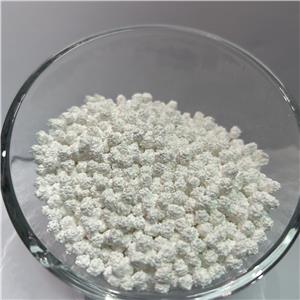
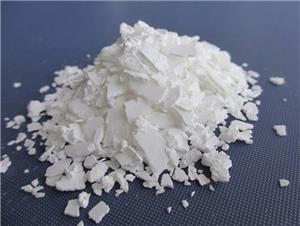
Magnesium sulfate (MgSO₄), commonly known as Epsom salt in its heptahydrate form, is emerging as a high-demand chemical compound with expanding applications across agriculture, pharmaceuticals, personal care, and industrial sectors, and as the global market size is estimated to reach approximately US$1.03 billion in 2025 and projected to grow at a CAGR of 7.7% to US$1.87 billion by 2033, international buyers and suppliers must stay informed about current market dynamics, quality benchmarks, and procurement strategies to capitalize on this growth. The agricultural sector remains the largest consumer of magnesium sulfate, driven by the need to correct magnesium and sulfur deficiencies in intensively farmed soils, as magnesium is essential for chlorophyll formation and photosynthesis while sulfur supports protein synthesis and enzyme function. Global production of magnesium sulfate reached approximately 2,887 K MT in 2024, with a significant portion allocated to fertilizer blends, fertigation systems, and foliar sprays, and key agricultural economies including Brazil, the United States, India, and China are reporting increased uptake of magnesium sulfate for high-value crops such as potatoes, corn, soybeans, and horticultural produce, while the expansion of precision farming and hydroponic systems, which require highly soluble nutrient inputs, further bolsters demand. Beyond the field, magnesium sulfate is recognized for its therapeutic properties, as in pharmaceutical applications it is used as an injectable solution to prevent and control seizures in pre-eclampsia and eclampsia—a lifesaving protocol endorsed by the WHO—and it also serves as a laxative, magnesium supplement, and excipient in various formulations, while the personal care and wellness industry has embraced magnesium sulfate, particularly the heptahydrate form, as a key ingredient in bath salts, body scrubs, and foot soaks, with consumer demand for natural remedies for muscle relaxation, detoxification, and skin health continuing to drive growth in this segment. Industrial grades of magnesium sulfate serve diverse functions including drying agents in chemical synthesis, coagulants in textile and paper manufacturing, fillers in plastics and rubber, and flame retardants, and the anhydrous form (MgSO₄) is particularly valued for its strong hygroscopicity and moisture-free composition, making it suitable for drying organic solvents and stabilizing moisture-sensitive formulations, while emerging industrial applications include its use in renewable energy systems for thermal energy storage and research into lightweight materials. In terms of supply landscape, China remains the world's largest producer and exporter of magnesium sulfate, with production clusters concentrated in Shandong, Hebei, and Guangdong provinces that benefit from access to raw materials, integrated manufacturing ecosystems, and proximity to major ports, and according to transaction data, Chinese suppliers recorded a +127.7% year-on-year increase in export activity, underscoring the country's dominant position in global trade, while other notable producers include Germany, South Africa, and the United States. As of April 2026, regional price benchmarks indicate Northeast Asia at US$0.30/kg (up 3.4%), Europe at US$0.30/kg (up 3.4%), and North America at US$0.41/kg (up 10.8%), with the upward momentum in Asian and European markets attributed to robust demand from fertilizer and pharmaceutical sectors coupled with rising upstream costs for magnesite ore and sulfuric acid, while North American prices reflect heightened import competition and supply availability. Industry experts advise buyers to plan orders 60 to 90 days in advance, particularly ahead of peak planting seasons from February to May in the Northern Hemisphere and August to November in the Southern Hemisphere, and production lead times typically average 7 to 14 days with ocean freight adding 15 to 30 days depending on destination, while standard packaging includes 25kg PP/PE bags or 1 to 1.2 MT jumbo bags with moisture-proof liners to prevent caking. For successful cross-border transactions, suppliers must meet destination market requirements including USP/FCC for North American pharmaceutical and food applications, EU EC No. 2003/2003 for fertilizer imports into Europe, ISO 9001:2015 for manufacturing quality systems, and REACH registration for exports to the EU, and buyers are advised to request Certificates of Analysis and third-party inspection reports from SGS or Bureau Veritas verifying MgO content, heavy metal limits, solubility, and moisture resistance. Looking ahead, the magnesium sulfate market presents significant growth opportunities driven by sustainable agriculture and the increasing adoption of eco-friendly fertilizers and soil conditioners, the expanding health and wellness sector with growing use in pharmaceuticals and personal care products, and rising demand for high-purity specialized formulations in food, pharmaceutical, and industrial sectors, and for international buyers, building direct relationships with established manufacturers—particularly in China's Shandong and Hebei provinces—ensures better price stability, quality traceability, and supply security amidst global logistical uncertainties, while suppliers offering flexible MOQs from 1 ton for trials to bulk shipments exceeding 20 tons, responsive communication with response times under two hours, and full customization capabilities are best positioned to serve diverse market needs. Magnesium sulfate is far more than a commodity chemical; it is a versatile enabler of food security, medical safety, and industrial efficiency, and with the global market projected to reach US$1.87 billion by 2033, strategic sourcing decisions made today will shape competitive advantage for years to come, whether your procurement needs are for agricultural blending, pharmaceutical formulation, or industrial processing, understanding market trends, quality benchmarks, and supplier capabilities is essential for success.