Magnesium Sulfate Market Poised for Growth: Key Applications, Global Demand Trends, and Industry Outlook
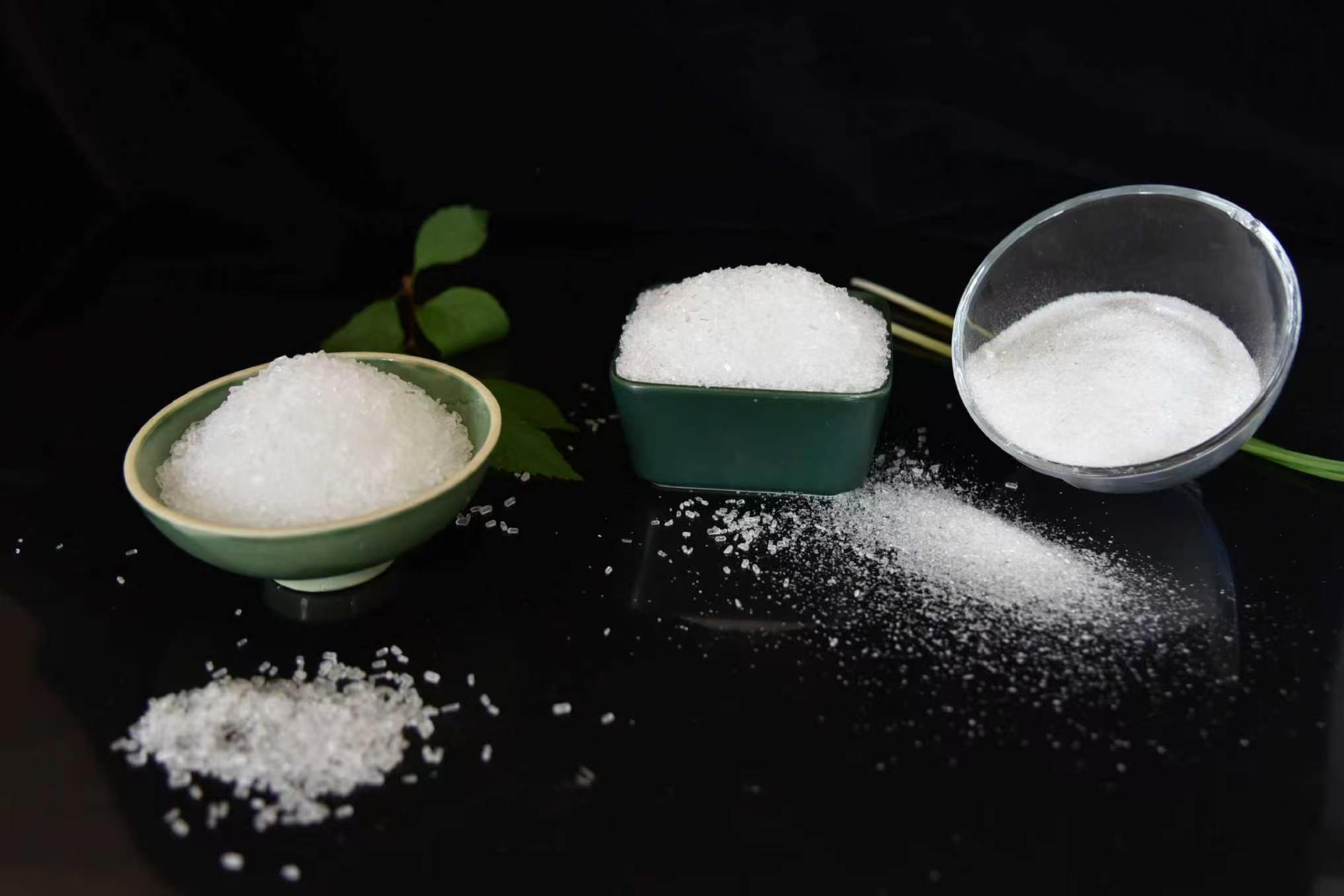
As global agriculture, pharmaceuticals, and industrial sectors continue to evolve, magnesium sulfate (MgSO₄) – commonly known as Epsom salt – is emerging as a critical compound with expanding market opportunities. For international buyers and suppliers, understanding its diverse applications and current market dynamics is essential for strategic sourcing and long-term cooperation.
1. Essential Role in Modern Agriculture
Magnesium sulfate is a highly soluble, secondary macronutrient fertilizer that provides both magnesium and sulfur – two elements often deficient in soils worldwide. Magnesium is the core component of chlorophyll, enabling photosynthesis, while sulfur aids protein synthesis and enzyme function.
With arable land degradation increasing due to intensive farming, the demand for magnesium sulfate as a soil amendment and foliar spray has risen sharply. Major agricultural economies including Brazil, the United States, India, and China are reporting higher uptake of MgSO₄ for crops such as potatoes, corn, soybeans, palm oil, and rubber. Additionally, its water-soluble nature makes it ideal for high-efficiency fertigation and hydroponic systems – a segment growing at over 8% annually.
2. Pharmaceutical and Cosmetics Applications
Beyond the field, magnesium sulfate is recognized for its therapeutic properties. As an injectable solution, it prevents and controls seizures in pre-eclampsia and eclampsia – a lifesaving application endorsed by the WHO. In topical forms, Epsom salt is widely used for muscle relaxation, reducing inflammation, and treating minor skin ailments.
The global personal care and wellness industry has also embraced MgSO₄ as a key ingredient in bath salts, body scrubs, and foot soaks. With the growing trend of at-home spa treatments and natural wellness products, exports of high-purity, USP-grade magnesium sulfate have become a profitable niche for quality-focused suppliers.
3. Industrial and Environmental Uses
Industrial grades of magnesium sulfate serve as a flame retardant in textiles, a viscosity adjuster in detergents, a stabilizer in ceramics, and a coagulant in tofu production. In water treatment, it reduces phosphate loads and improves flocculation. Environmental applications include treating municipal wastewater and reducing dust on unpaved roads – a growing sector in emerging economies with large-scale infrastructure projects.
4. Current Market Situation & Trade Dynamics
Supply landscape: China remains the world’s largest producer and exporter of magnesium sulfate, benefiting from integrated chemical complexes and cost-competitive raw materials (magnesite, sulfuric acid, or byproduct streams from boric acid and lithium production). Other suppliers include Germany, Turkey, and India.
Pricing trends: In Q2–Q3 2026, prices have stabilized after two years of volatility caused by energy cost fluctuations and shipping container shortages. FOB Tianjin prices for agricultural grade (99.5% min.) range between $90–120 per metric ton, while pharmaceutical grade commands $350–500 per metric ton depending on particle size and purity.
Logistics considerations: Buyers are advised to plan orders 60–90 days in advance, particularly during peak planting seasons (February–May in the Northern Hemisphere and August–November in the Southern Hemisphere). Palletized, moisture-proof packaging (25kg PP/PE bags or 1–1.2 MT jumbo bags) remains standard.
5. Regulatory and Quality Standards
For successful cross-border transactions, suppliers must meet destination market regulations. Key certifications include:
USP / FCC for North American pharmaceutical/food applications
EU EC No. 2003/2003 for fertilizer imports into Europe
ISO 9001:2015 for manufacturing quality systems
REACH registration for exports to the EU
Customs codes (HS) typically fall under 28332100 (magnesium sulfate). Buyers should request third-party inspection reports (SGS, Bureau Veritas) on MgO and SO₃ content, heavy metals (particularly As, Pb, Cd), and moisture resistance.
6. Outlook: Why Now Is the Time to Strengthen Supply Chains
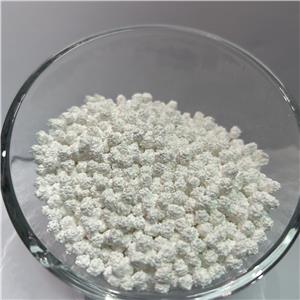
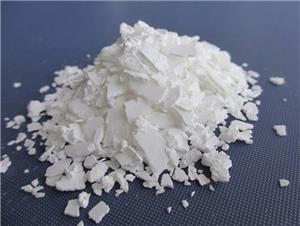
Demand for high-quality magnesium sulfate is projected to grow at a CAGR of 5.2% from 2026 to 2031, driven by precision agriculture, water-soluble fertilizer adoption, and rising health awareness. Exporters who can offer consistent purity, customized particle sizes (powder, granular, or crystalline), and reliable packing will capture premium segments.
For international buyers, building direct relationships with established Chinese manufacturers – rather than going through multiple intermediaries – ensures better price stability, quality traceability, and supply security amidst global logistical uncertainties.
Conclusion
Magnesium sulfate is far more than a commodity – it is a versatile enabler of food security, medical safety, and industrial efficiency. Whether you are sourcing for agricultural blending, pharmaceutical formulation, or industrial use, understanding the science, market trends, and compliance requirements will give your business a competitive edge.