Magnesium Sulphate Market Outlook: Global Trends, Trade Dynamics, and Future Growth (2026-2033)
1. Global Market Size and Growth Trajectory
The global Magnesium Sulphate (MgSO₄) market is currently valued at approximately $1.09 billion to 1.67 billion and $2.05 billion by 2033-2034, growing at a Compound Annual Growth Rate (CAGR) of 5.4% to 6.1% .
Several key factors drive this momentum. First, the global push for food security is compelling farmers to restore magnesium-deficient soils to maximize crop yields. Second, the pharmaceutical sector relies on MgSO₄ as an essential anticonvulsant for treating pre-eclampsia. Finally, industrial applications, such as wastewater treatment and additives in the pulp & paper industry, are creating new demand streams .
2. Regional Analysis and Trade Dynamics
Asia-Pacific dominates the supply and demand landscape, holding over 40% of the global market share. China is not only the largest consumer but also the primary production hub, leveraging its vast mineral resources. The region’s dominance is fueled by massive agricultural activity and rapid industrialization, with India and Japan showing significant import activity .
North America and Europe remain mature, high-value markets. While their volume growth is slower (CAGR ~4%), they demand higher purity grades for pharmaceutical and food applications.
Trade Shifts (2026 Data): The global trade flow is adjusting to new supply chain dynamics. Recent data indicates a shift in sourcing patterns, with countries diversifying their supply chains beyond traditional single-source dependencies. Notably, transactional data shows magnesium sulphate prices vary significantly by origin; for instance, China offers highly competitive bulk pricing (approx. $0.87/kg), while Germany commands premium prices (approx. $7.74/kg) for specialized industrial or pharmaceutical grades .
3. The Heptahydrate vs. Anhydrous Debate
The market is segmented primarily by type and grade:
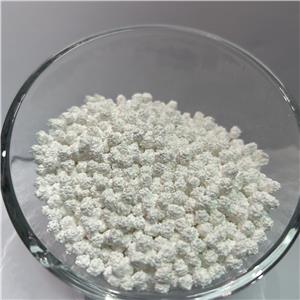
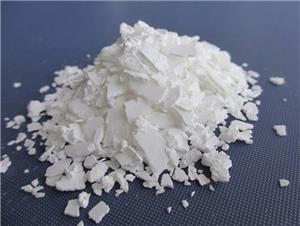
· Heptahydrate (Epsom Salt): This is the dominant segment (over 56% of the market). Its high solubility makes it ideal for rapid nutrient absorption in agriculture and the booming personal care sector (bath salts) .
· Anhydrous & Monohydrate: Preferred for industrial applications where low moisture is critical, such as in cement production and certain chemical processes.
· Grade Segmentation: Agriculture leads in volume, but Pharmaceutical/Pharma grade is the fastest-growing and most profitable segment, driven by wellness trends and stringent health regulations .
4. Future Outlook and Strategic Opportunities
For 2026 and beyond, the market presents three key opportunities:
1. Sustainable Agriculture: As farmers adopt precision agriculture, MgSO₄ is becoming a staple in water-soluble fertilizer blends. Studies show it can improve crop yields by 15-25% in deficient soils .
2. Green Chemistry: There is a rising trend of recovering Magnesium Sulphate from industrial by-products (zero-waste initiatives), which appeals to ESG-focused investors and buyers in Europe.
3. E-commerce B2B: The distribution channel is evolving. While direct B2B sales remain standard for bulk, online retail and agro-input e-commerce platforms are gaining significant traction for small to mid-sized buyers .
Conclusion: The magnesium sulphate market is set for robust, stable growth. While raw material price volatility remains a challenge, the compound’s irreplaceable role in global food production and healthcare ensures resilient long-term demand.